Low Dose Naltrexone (LDN) in Functional Medicine: A Practical Guide by Dr. Yoon Hang Kim in San Antonio
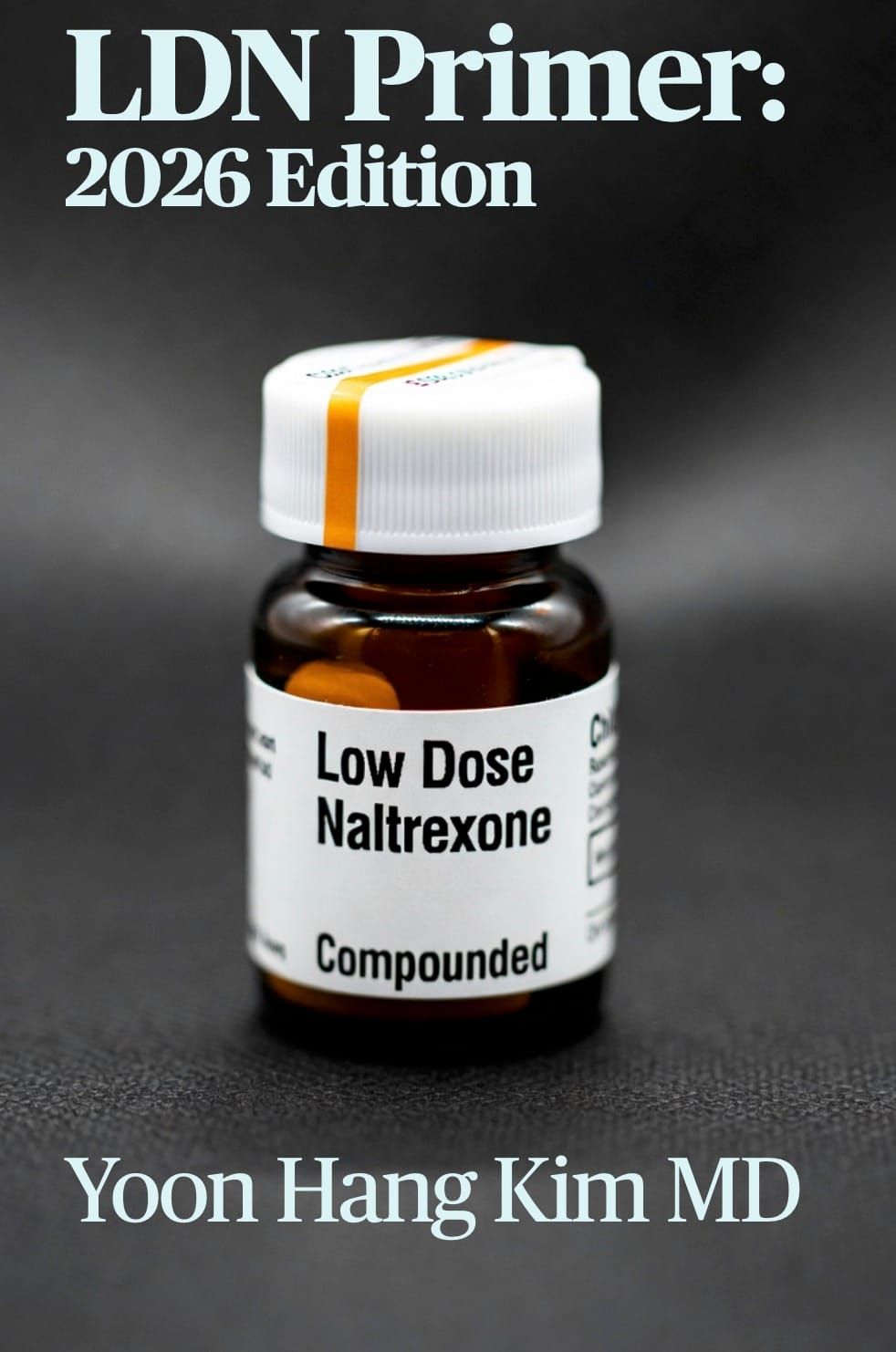
Dr. Kim's LDN Primer Book which covers basics of LDN is now available in Amazon - https://www.amazon.com/dp/B0GZ9R4667/ref=sr_1_1?crid=Y99J3Z8DLKY2&dib=eyJ2IjoiMSJ9.Kq_wzqE15_OGnVOgkdQHbQdwZK32CtfPr6H9aL8NtC2JdRuLQJkskth03cPcjIrlnpNzzTw6NqVAdjbFJvOflQ.owU6k5lJ4jkFwPod1eq9pIC126Fde8sml1nlDi_ameE&dib_tag=se&keywords=Low+Dose+Naltrexone+%28LDN%29+Primer%3A+2026+Edition+Kindle+Edition&nsdOptOutParam=true&qid=1777752715&s=digital-text&sprefix=low+dose+naltrexone+ldn+primer+2026+edition+kindle+edition%2Cdigital-text%2C260&sr=1-1
Introduction
Low Dose Naltrexone (LDN) has emerged as a powerful yet often misunderstood tool in functional and integrative medicine. While traditionally used in higher doses for addiction treatment, LDN at much lower doses offers a unique approach to immune modulation, inflammation control, and chronic disease management.
As a functional medicine physician in San Antonio, Dr. Yoon Hang Kim emphasizes a critical truth: LDN is not a one-size-fits-all therapy. Its success depends on individualized dosing, careful monitoring, and a comprehensive treatment strategy.
What is LDN and How Does It Work?
LDN works primarily through endorphin modulation and immune system regulation rather than direct pharmacologic suppression.
Key Mechanisms
- Temporary opioid receptor blockade → rebound endorphin production
- Modulation of microglial activity (reducing neuroinflammation)
- Indirect regulation of immune signaling pathways
- Potential influence on hormonal axes (cortisol, thyroid, sex hormones)
Unlike conventional medications, LDN does not directly target a single disease. Instead, it helps restore balance in dysregulated systems.
Why LDN Requires Individualized Dosing
One of the most important teaching points from Dr. Kim’s clinical experience is that LDN dosing must be personalized.
Key Principles
- Start low and titrate slowly
- Some patients require microgram or ultra-low doses
- Higher doses are not always better
- The goal is finding the patient’s “sweet spot”
Clinical Insight
Patients with severe chronic illness or immune dysregulation may be extremely sensitive, requiring doses far below standard recommendations.
LDN Depletion Syndrome: What Patients Need to Know
Although LDN is generally well tolerated, some patients experience a temporary worsening of symptoms.
Possible Symptoms
- Fatigue or malaise
- Mood changes
- Increased pain
- Brain fog
This may reflect endorphin depletion or sensitivity, particularly in patients with long-standing illness.
Management Strategy
- Stop LDN temporarily
- Allow symptoms to resolve
- Restart at a lower dose
Conditions That May Benefit from LDN
LDN is commonly used in functional medicine for conditions involving immune dysregulation and chronic inflammation.
Potential Applications
- Autoimmune diseases (e.g., Hashimoto’s thyroiditis, rheumatoid arthritis)
- Chronic pain (fibromyalgia, neuropathic pain)
- Endometriosis and pelvic pain
- Mood disorders and neuroinflammation
- Chronic fatigue and post-viral syndromes
Important: LDN is rarely used alone. It works best as part of a comprehensive treatment plan.
LDN and Hormonal Health
LDN may influence several hormonal pathways, but evidence remains evolving.
What We Know
- May affect cortisol and stress response
- May influence thyroid function
- May alter sex hormone signaling (LH, testosterone)
Clinical Implications
- Thyroid medication may need adjustment
- LDN does not replace hormone therapy
- Hormonal changes should be clinically monitored
Side Effects and How to Manage Them
LDN is generally well tolerated, but side effects can occur—especially with improper dosing.
Common Side Effects
- Headache
- Dizziness
- Fatigue
- Vivid dreams (often temporary and may reflect improved REM sleep)
Best Practices
- Adjust dose rather than stopping completely
- Consider morning dosing if sleep is disrupted
- Avoid starting multiple new therapies simultaneously
LDN in Combination Therapy
LDN can be safely combined with many treatments, including:
- GLP-1 medications (e.g., semaglutide)
- Hormone replacement therapy
- Nutritional and lifestyle interventions
However, Dr. Kim advises:
“Do not start multiple new medications at the same time.”
This ensures clearer assessment of benefits and side effects.
The Biggest Mistake: Treating LDN as a Standalone Solution
A key teaching point in functional medicine:
Complex diseases require comprehensive solutions.
LDN is a tool—not a cure.
Successful outcomes depend on addressing:
- Nutrition
- Hormonal balance
- Inflammation
- Lifestyle factors
- Root causes of disease
Why Many Physicians Misuse LDN
Despite growing popularity, many clinicians lack proper training in LDN.
Common Issues
- Starting doses too high
- Escalating too quickly
- Assuming LDN is “harmless”
Dr. Kim emphasizes that:
Even water can be harmful in the wrong context—LDN is no exception.
Education is critical for safe and effective use.
Functional Medicine Approach to LDN in San Antonio
At his San Antonio practice, Dr. Yoon Hang Kim integrates LDN into a broader functional and integrative care model.
Key Focus Areas
- Personalized dosing strategies
- Root cause analysis
- Hormonal and metabolic optimization
- Long-term sustainability and patient education
Patients are guided through a structured, individualized plan, rather than a one-size-fits-all protocol.
Limitations of LDN
While promising, LDN is not a miracle therapy.
Current Limitations
- Limited large-scale clinical trials
- Variable patient response
- Requires careful titration
- Not effective for all conditions
LDN should be viewed as adjunctive therapy, not replacement for standard care when needed.
Conclusion
Low Dose Naltrexone represents a powerful tool in functional medicine—but only when used correctly.
The key to success lies in:
- Individualized dosing
- Careful monitoring
- Comprehensive care approach
For patients in San Antonio and beyond, working with an experienced functional medicine physician like Dr. Yoon Hang Kim can make the difference between frustration and meaningful results.
Telemedicine & Consultation
If you are interested in exploring LDN as part of your treatment plan, professional guidance is essential.
Dr. Yoon Hang Kim offers:
- Functional medicine consultations
- LDN therapy guidance
- Hormonal and metabolic optimization
Telemedicine options may be available depending on location.
References
- Younger J, et al. “Low-dose naltrexone for the treatment of fibromyalgia.” Arthritis Rheum.
- Raknes G, et al. “Low-dose naltrexone in autoimmune disease.” Autoimmunity Reviews.
- Toljan K, Vrooman B. “Low-dose naltrexone (LDN)—Review of therapeutic utilization.” Med Sci.
- Smith JP, et al. “Low-dose naltrexone therapy improves active Crohn’s disease.” Am J Gastroenterol.
SEO Keywords
Low Dose Naltrexone San Antonio, LDN functional medicine, Dr Yoon Hang Kim, LDN dosing guide, autoimmune treatment San Antonio, integrative medicine Texas, LDN therapy benefits, endorphin modulation therapy


